
AI Model Collapse Is a Curation Failure
AI model collapse comes from uncurated synthetic data, and the text shortage only pushes labs toward it. Curation decides which labs keep improving.

AI model collapse comes from uncurated synthetic data, and the text shortage only pushes labs toward it. Curation decides which labs keep improving.
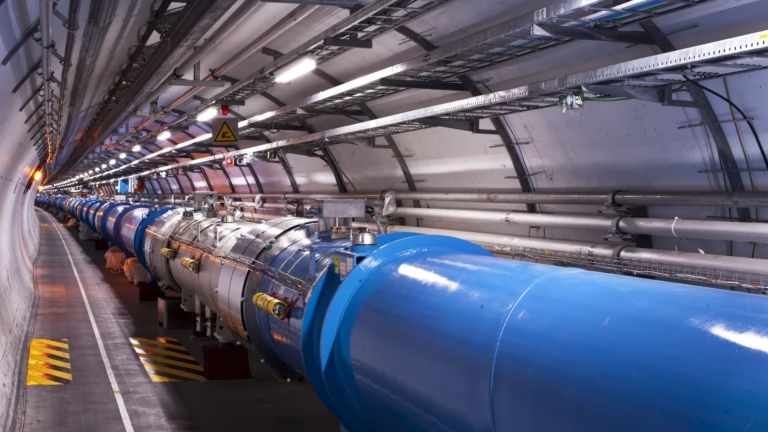
Why is the LHC colder than outer space? At 1.9 Kelvin helium turns superfluid, and that quantum threshold keeps 9,000 magnets from quenching.
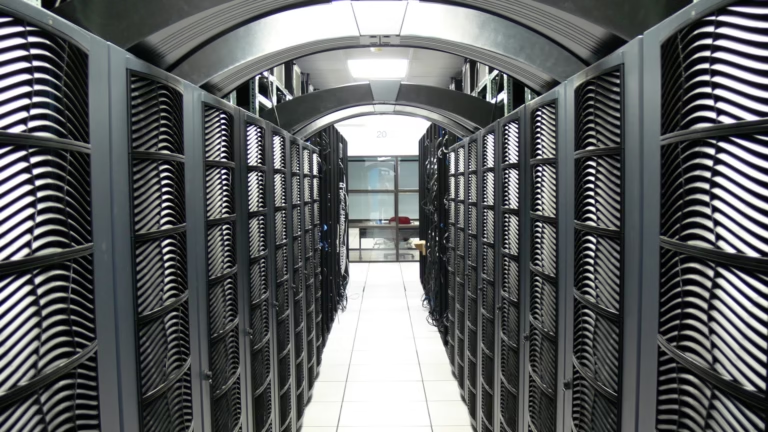
Data center opposition — not power or chips — is 2026's real AI constraint, and Musk is now spending $200M in Texas to fight it.
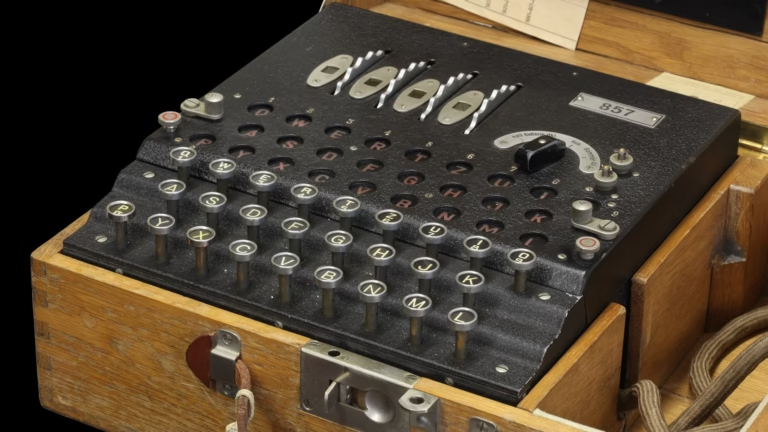
PII masking AI agent design is quietly becoming standard — six unrelated vendors converged on mask-then-send without comparing notes.
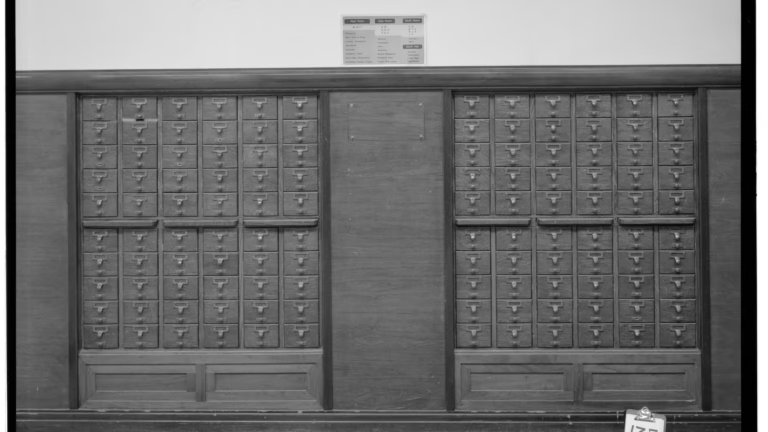
Claude unified memory now spans Chat and Cowork — the real story is the delete button Anthropic shipped first, not the recall.
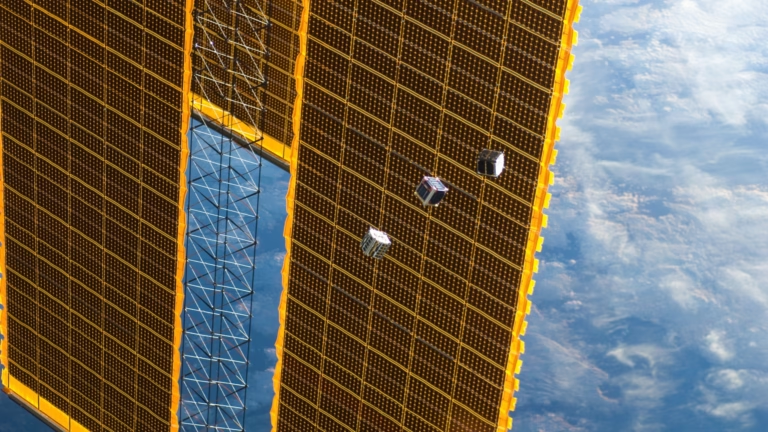
2D semiconductor radiation tolerance just went flight-ready — MoS2 chips outlast silicon in space, and the physics reason is beautifully simple.
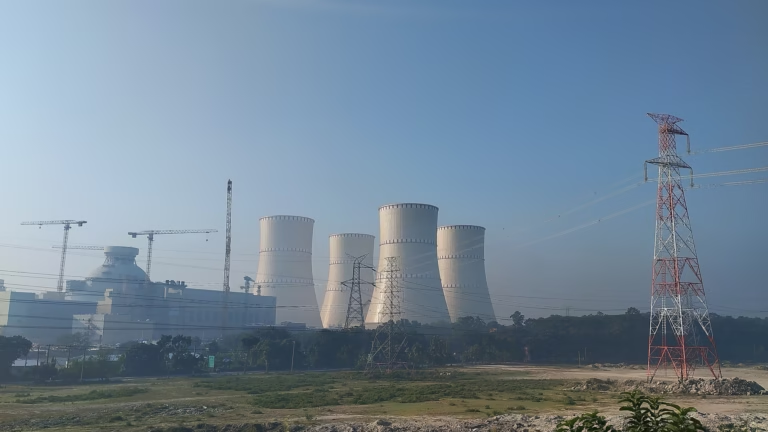
Equinix's nuclear power deal bets 6GW on reactors by 2040 — a sign FERC's grid-speedup order is pushing data centers off the public queue entirely.
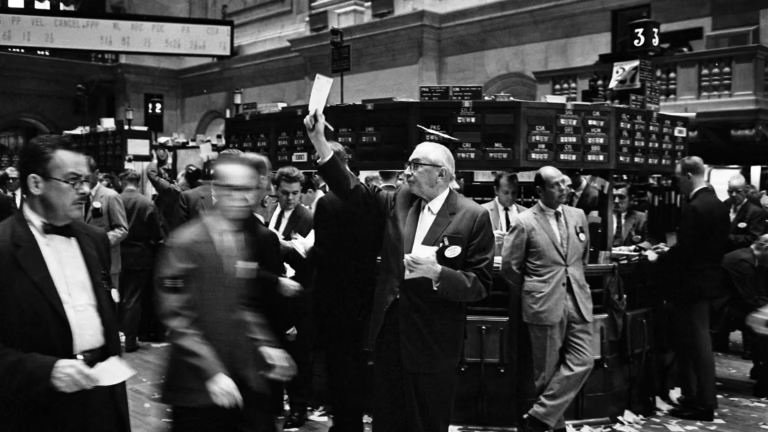
AI trading agents now run real crypto portfolios unsupervised on Hyperliquid — and the smartest models are the worst traders.
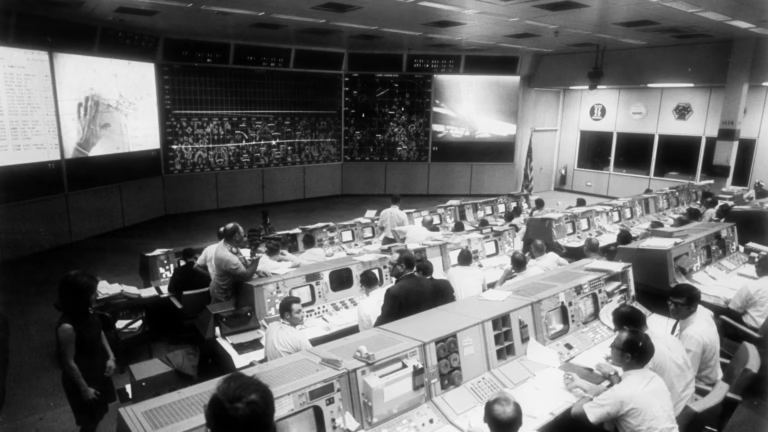
Claude Code's built-in browser isn't for browsing — it's how your coding agent QA-tests its own work against the live web.
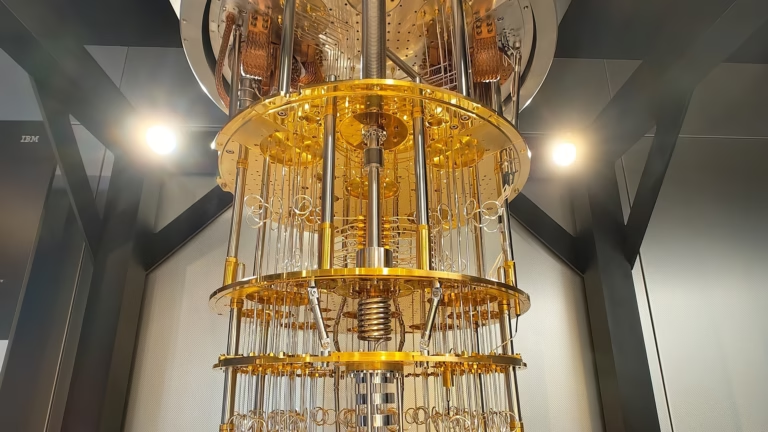
Quantum error correction threshold theorem: why Google's Willow gets more reliable as it scales, while near-threshold chips don't.