On 14 August 2025, Equinix named four nuclear developers it was working with. The arrangements cover different technologies and legal stages. For a data-centre operator, the useful question is which of them can deliver power to a named site on a known date. Equinix’s announcement provides no such delivery schedule. It also provides no basis for a single 6 GW agreement or a 2040 commissioning target.
Key takeaways
- Equinix described four separate nuclear arrangements in August 2025: an earlier Oklo agreement, a ULC-Energy letter of intent, and pre-orders with Stellaria and Radiant.
- The stated figures have different meanings. They cannot be added into a firm supply commitment.
- The announced work complements Equinix’s utility relationships. It does not show that the company has left the grid connection process.
- FERC’s large-load tariff orders came in June 2026, after these arrangements were announced. The chronology does not support the claim that those orders caused the deals.
What Equinix actually announced
The company’s 14 August 2025 release names these four arrangements. Capacity figures below retain the units Equinix used; a reactor pre-order and a prospective power purchase are different things.
| Partner | Announced arrangement | Stated scale | Unresolved delivery step |
|---|---|---|---|
| Oklo | Agreement to procure power, dating from 2024 | 500 MW | Project-specific power purchase agreements, sites and delivery dates |
| ULC-Energy | Letter of intent for a Dutch power purchase agreement | Up to 250 MWe | A final power purchase agreement and project schedule |
| Stellaria | Power pre-order for European data centres | 500 MWe | A disclosed delivery schedule for Equinix sites |
| Radiant | Pre-order of Kaleidos microreactors | 20 units | Site allocation and delivery dates |
The Oklo letter of intent filed with the SEC is precise about the distinction. It grants rights of first refusal and sets out work toward power purchase agreements. The plants, site selections, prices and delivery schedules require later agreements. Calling the whole document non-binding would miss the rights it already creates; treating 500 MW as power under delivery would miss the work still ahead.
Get the next one by email
Power, cooling, chips and the rules that shape them. No spam, unsubscribe any time.
The grid is still part of the plan
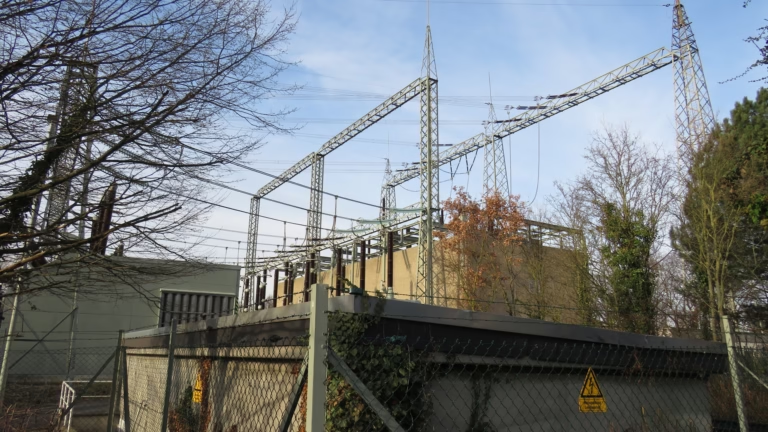
Equinix says its nuclear work sits alongside traditional utility arrangements, transmission upgrades and on-site generation. Its release describes a portfolio designed to reduce future power constraints. It makes no claim that these reactor arrangements remove the need for grid connections. A reader assessing a proposed data-centre supply plan should therefore ask for the site, the generator, the contractual delivery date and the connection design separately.
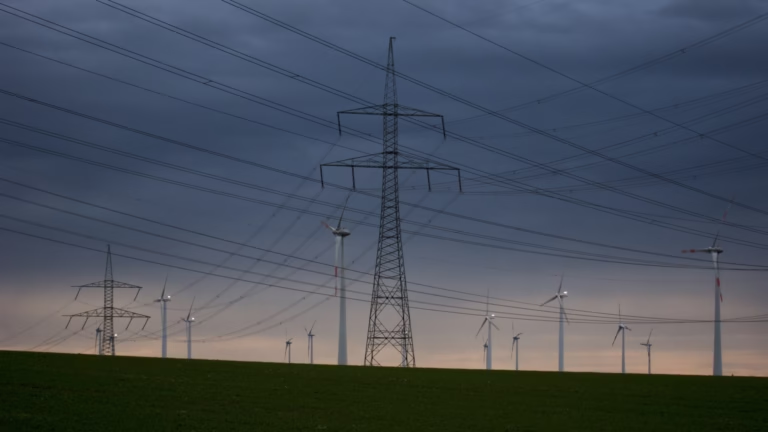
In June 2026, FERC directed six regional grid operators to justify or reform their tariffs for large loads. The orders ask for responses on study processes, cost allocation, co-located generation and flexible service. They do not grant Equinix a grid bypass. They also came after its nuclear arrangements, so the documents do not support a claim that the orders prompted Equinix to sign them.
What to watch next
The IEA projects global data-centre electricity use rising from 485 TWh in 2025 to about 950 TWh in 2030. That forecast explains why operators are seeking several possible sources of firm power. It does not turn a pre-order into available megawatts. The evidence that would change the assessment is a named project with permits, a final power agreement, a site-specific delivery date and a credible route to serve the data centre. Equinix’s 2025 announcement does not supply that set of facts.
Cite this article
Turner, A. (2026, August 26). Equinix's Nuclear Power Agreements: What Each One Secures. ScienceShot. https://scienceshot.com/post/equinix-nuclear-power-deal
Turner, Alex. “Equinix's Nuclear Power Agreements: What Each One Secures.” ScienceShot, 26 Aug. 2026, scienceshot.com/post/equinix-nuclear-power-deal.
Turner, Alex. “Equinix's Nuclear Power Agreements: What Each One Secures.” ScienceShot, August 26, 2026. https://scienceshot.com/post/equinix-nuclear-power-deal.
@online{scienceshot-equinix-nuclear-power-deal-2026,
  author       = {Turner, Alex},
  title        = {{Equinix's Nuclear Power Agreements: What Each One Secures}},
  organization = {ScienceShot},
  date         = {2026-08-26},
  year         = {2026},
  url          = {https://scienceshot.com/post/equinix-nuclear-power-deal}
}
https://scienceshot.com/post/equinix-nuclear-power-deal
Get the weekly brief
Sourced analysis of data-centre engineering and regulation, every Monday. No spam, unsubscribe any time.